
The Fragrance of Devotion: The Silent Hands Behind India’s Incense
In millions of Indian households, the day begins with a familiar ritual: the strike of a match, a thin curl of smoke, and the heady, calming aroma of an agarbatti (incense stick). While these sticks are a staple of spiritual life, few realize that a significant portion of India’s incense industry is powered by the nimble fingers and entrepreneurial spirit of rural and semi-urban homemakers.
For these women, making agarbattis is more than just a craft; it is a bridge between domestic life and financial independence.
A Cottage Industry Rooted in Tradition
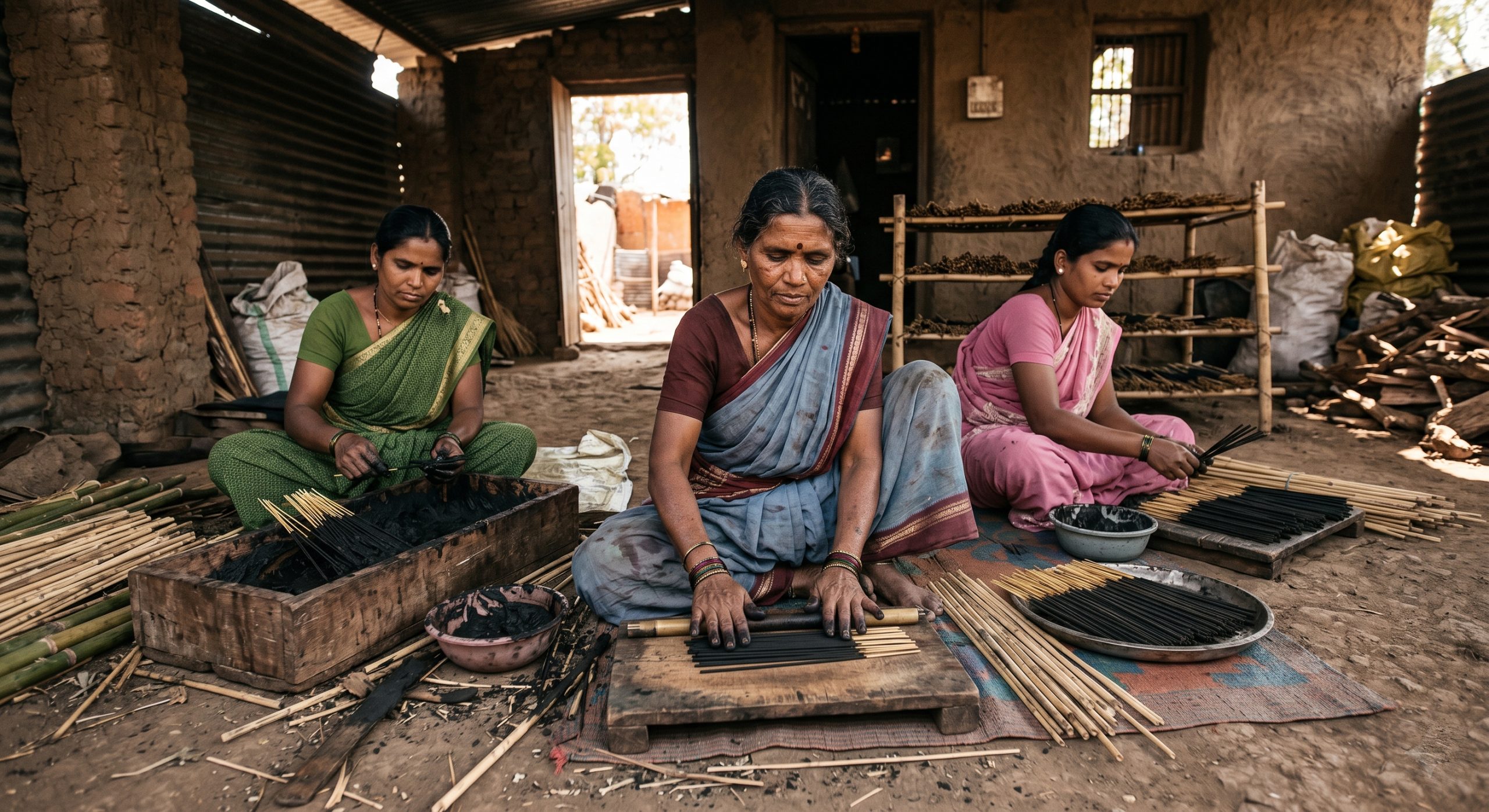
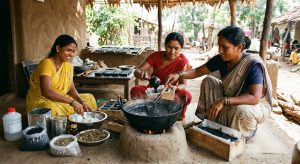
The production of incense in India is one of the largest cottage industries in the world. Because the process requires precision and patience rather than heavy machinery, it has become a primary source of “work-from-home” employment for women.
-
The Raw Materials: Homemakers typically work with a mixture of charcoal powder, gummy resins (jiggit), and bamboo sticks.
-
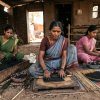
The Technique: While some use pedal-operated machines, many still practice the traditional art of hand-rolling, where the paste is applied to the bamboo stick with a rhythmic flick of the wrist to ensure an even coating.
-
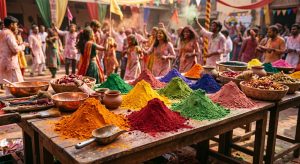
The Fragrance: After the sticks are dried, they are often scented with essential oils like sandalwood, jasmine, rose, or oud.
Empowerment in Every Roll
For a homemaker in a small village or a bustling chawl, the agarbatti industry offers a unique set of advantages:
| Benefit | Impact on the Homemaker |
| Flexibility | Women can roll sticks between cooking, cleaning, and childcare. |
| Low Barrier to Entry | Requires minimal space and no formal education, making it accessible to all. |
| Financial Dignity | Earnings often go toward children’s education or healthcare, giving women a voice in household decisions. |
| Community Bonding | It is common to see groups of women sitting together on a porch, rolling incense while sharing stories, turning labor into a social support system. |
From Dust to Divinity
There is a poetic irony in the life of an agarbatti maker. The women spend their days covered in black charcoal dust and the raw scent of resins so that others may experience a moment of aromatic purity.
“When I see the incense lit in the temple, I feel a sense of pride. I know that my hard work is helping someone else find peace in their prayers.”
— Savitri, a veteran incense roller from Pune.
The Modern Shift
As demand for “charcoal-free” and “organic” incense grows, these homemakers are adapting. Many are now trained to use recycled flower waste from temples (a process known as “flower cycling”) to create eco-friendly sticks. This not only protects the environment but also adds a layer of sanctity to their work, as they breathe new life into offered blooms.
Supporting the Craft
The next time you light an agarbatti for your evening aarti or a moment of meditation, take a second to acknowledge the silent artisans. Each stick is a testament to an Indian woman’s resilience—a small, fragrant spark of empowerment that rises from her home to yours.



Add comment
You must be logged in to post a comment.