
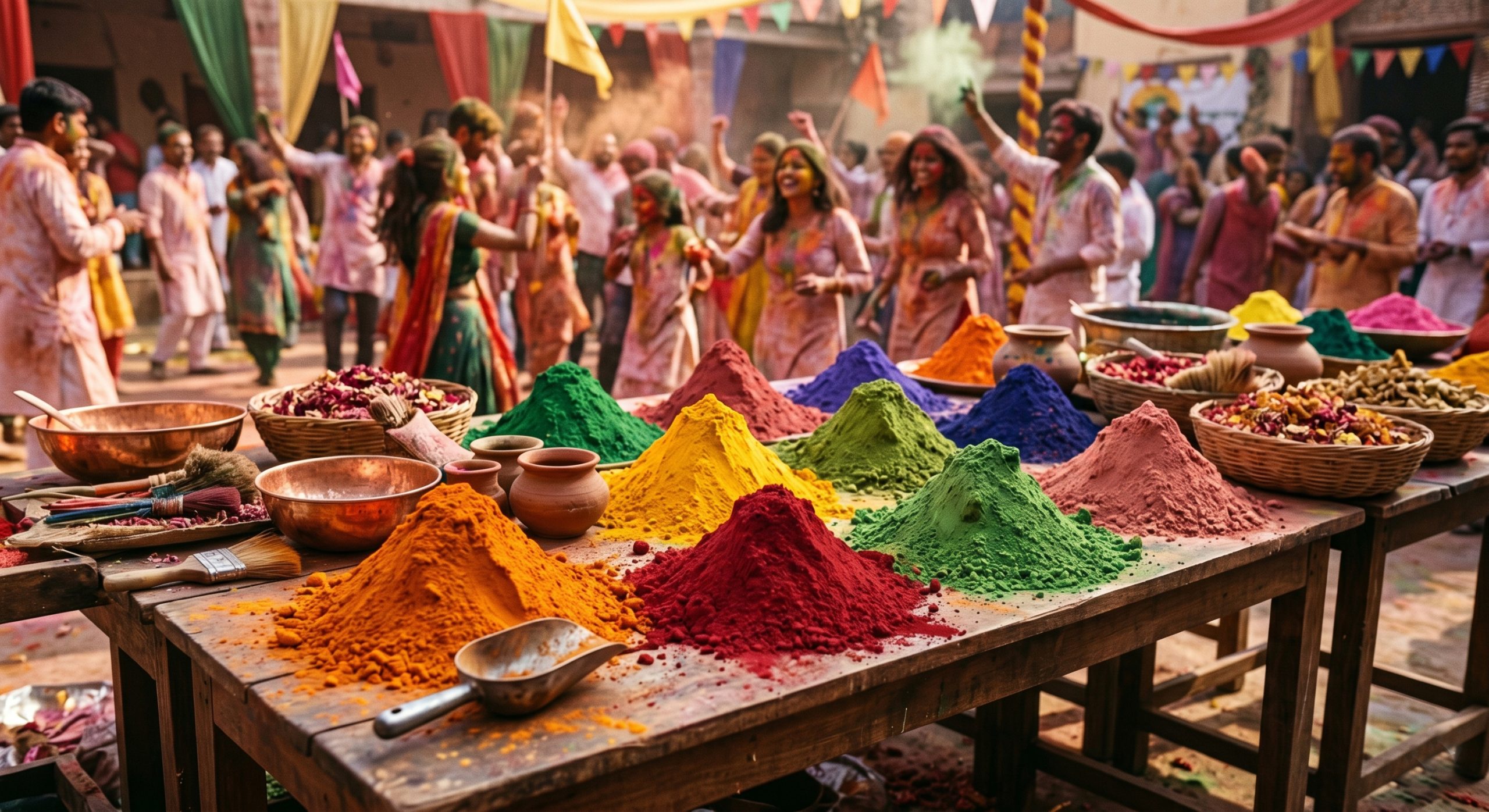
The Alchemy of Nature: How Colors are Born
Natural dyes are not “manufactured” in the traditional sense; they are extracted. The process is a delicate balance of biology and chemistry:
-
Source Material: Colors are derived from three primary kingdoms:
-
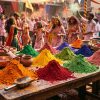
Plant: Madder roots (red), Indigo leaves (blue), Turmeric (yellow), and Onion skins (brown).
-
Animal: Cochineal insects (crimson) or Lac (purple/red).
-
Mineral: Iron ores, ochres, and clays for earthy tones.
-
-
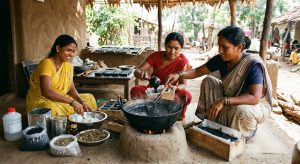
The Extraction: Raw materials are often dried, crushed, and boiled. For dyes like Indigo, a fermentation process is required to make the pigment soluble in water.
-
The “Bite” (Mordanting): Most natural dyes cannot “stick” to fabric on their own. They require a mordant (from the Latin mordere, “to bite”). Common substances like alum, salt, or even vinegar act as a bridge, anchoring the dye molecules to the fiber.
The Scaling Struggle: Why Mass Production is Difficult
If natural dyes are eco-friendly, why does the world still use synthetic chemicals? The challenges are largely rooted in consistency and land use:
The “Recipe” Problem: Unlike synthetic dyes, which are chemically identical every time, natural sources vary by season, soil quality, and rainfall. A batch of indigo harvested in July may look entirely different from one harvested in September, making “standardized” colors nearly impossible for mass-market brands.
Land Competition: To dye the world’s current textile output naturally, we would need millions of acres of land. This creates a “food vs. color” conflict, where land used for dye crops is land not used for food.
Durability (Fastness): Natural dyes are often “fugitive,” meaning they fade faster when exposed to sunlight or frequent washing. In a “fast fashion” culture that demands permanence, natural dyes struggle to compete.
Water & Waste: While the dyes are natural, the mordants can be problematic. Historically, heavy metals like chrome or copper were used to fix colors. Even with modern safe mordants, the process requires significant water volumes.
Revitalizing Local Cotton and Dye Industries
To build a sustainable local industry, we must move away from the “mass production” mindset and toward a “value-driven” model.
 1. Creating “Soil-to-Skin” Clusters
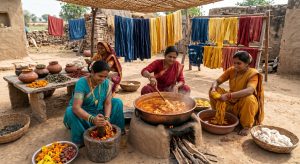 1. Creating “Soil-to-Skin” Clusters
Encourage local farmers to grow indigenous, short-staple cotton alongside dye plants. By processing the cotton and the dye in the same geographic region, you reduce the carbon footprint and keep profits within the community.
2. Incentivizing Circularity
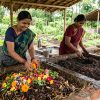
Local governments can provide subsidies for “waste-to-color” initiatives. For example, using food waste (onion skins, pomegranate rinds, walnut shells) from local markets to create dyes. This turns a waste management problem into a raw material solution.
3. Education and Design
The biggest hurdle is consumer expectation. We must educate the public to appreciate “living color”—the idea that a garment’s slight fading or color shifting is a mark of its authenticity and health-safety, rather than a defect.
4. Technology Integration
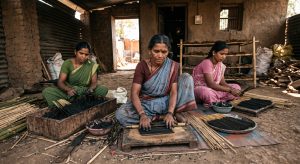
Support local “micro-dye houses” that use modern technology like ultrasonic extraction or closed-loop water systems. These tools allow for more efficient dye extraction from smaller amounts of plant matter, making local production more viable without needing massive plantations.
A Note for the Future: > Promoting a local natural dye industry isn’t just about the environment; it’s about heritage. It preserves the “fingerprint” of a region—the specific shade of blue or red that can only be produced by your local soil and water.



Add comment
You must be logged in to post a comment.